What Is Family Therapy? How It Works and When It Helps
What is family therapy? How sessions work, who counts as family, and when family counselling in Ottawa can help a household stuck in the same patterns.

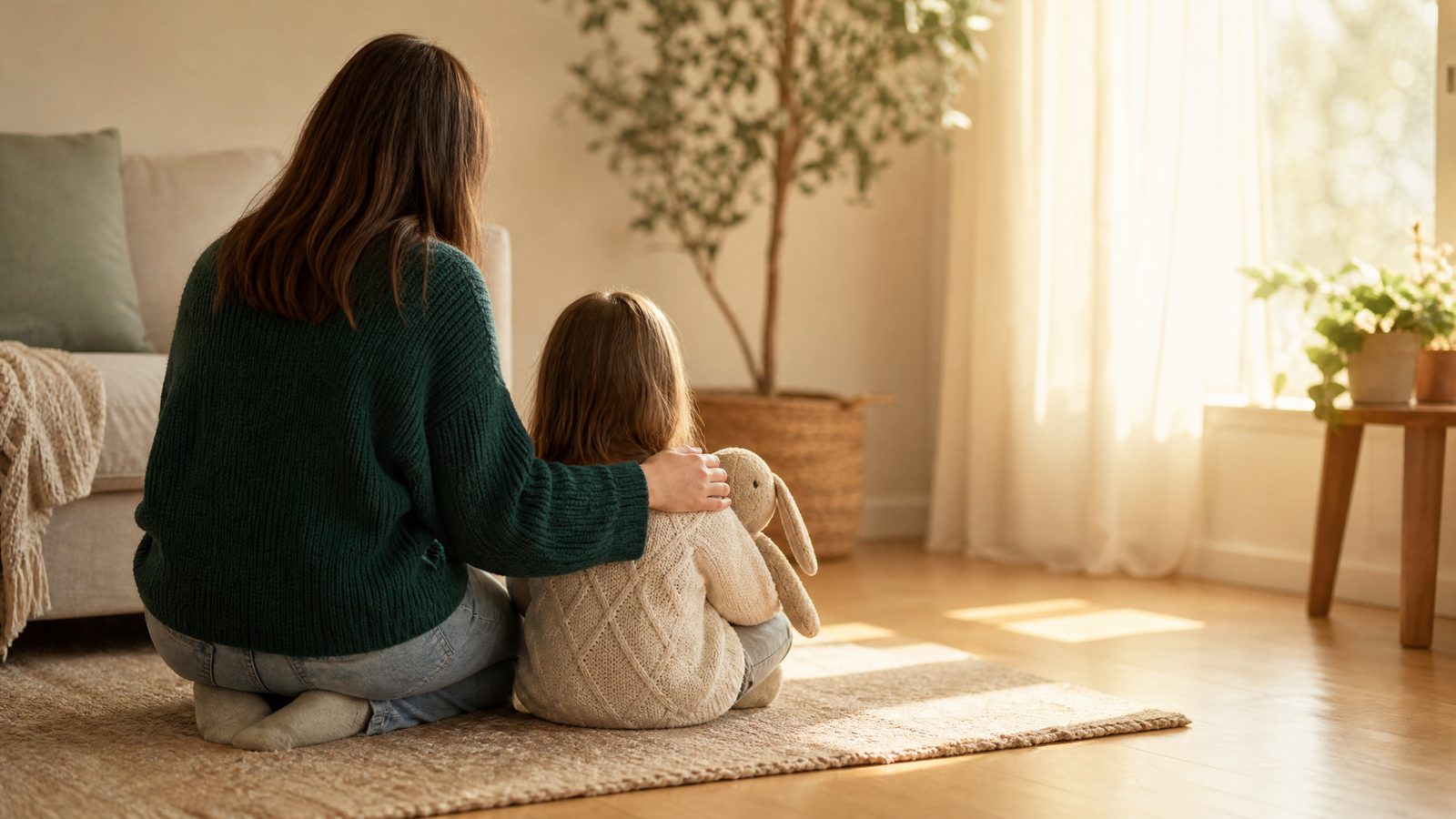
Family therapy is a form of psychotherapy that works with the relationships in a family rather than with one person on their own. Instead of asking what is wrong with one member, it looks at how the people in a household communicate, react to one another and get stuck, and helps them find steadier ways of facing what they are dealing with together.
A note before you read: this is a reflection drawn from clinical practice. It is not a diagnostic tool and is not intended to diagnose anyone.
What Family Therapy Is
The Centre for Addiction and Mental Health (CAMH) describes family therapy as "a type of psychotherapy that helps family members better understand each other, support one another and work through difficult situations." In CAMH's words, it "focuses on improving the interactions and communication between family members."
The shift that matters is where the attention goes. When a family is struggling, one person often becomes the focus: the teenager who will not talk, the parent who is drinking, the child whose behaviour has changed. Family therapy does not ignore that person. It also asks what is happening around them, and how everyone's responses may be keeping the pattern going.
That is not about assigning blame. Families often find it a relief, because it means no one person has to carry the problem alone.
Who Counts as Family
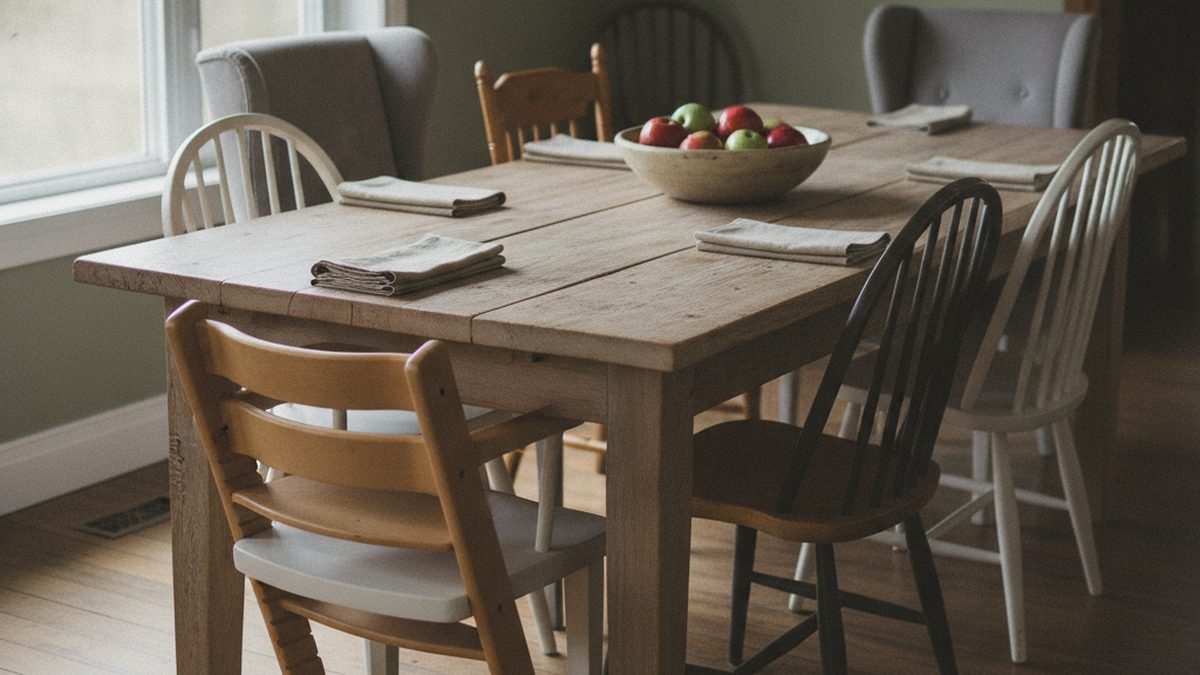
Family therapy is not only for parents and young children. CAMH defines "family" broadly, as "a group of people who care about each other and call themselves a family," which can include partners, grandparents, siblings, extended relatives and others who are close to the group.
In practice, the families who come to therapy look very different from one another. They include:
- Parents and teenagers who can no longer talk without it becoming an argument
- Blended families working out roles, loyalties and household rules
- Adult siblings trying to care for an ageing parent together
- Couples whose conflict has started to affect their children
- Families adjusting after a death, a separation, an illness or a move
Not everyone has to attend every session. CAMH notes that a family therapist may meet with family members individually as well as together, where that is helpful.
What Actually Happens in Sessions

Early sessions usually focus on understanding: what has been happening, how each person sees it, and what each person hopes will change. Those views often differ, and hearing them in a room where everyone gets a turn is part of the work.
From there, sessions tend to look at the interactions themselves. Who withdraws, who escalates, who smooths things over, and what happens next. The aim is for family members to understand the impact of their words and behaviour on one another, and to try something different rather than repeating the same exchange.
Family therapy can draw on several approaches, including cognitive-behavioural therapy. There is no fixed length. As CAMH puts it, "Therapy may last only a few sessions, or it may take more time for some families."
When Family Therapy Can Help
According to CAMH, family therapy can help "when families are feeling overwhelmed, sad and angry; when they're unsure how to move forward; or when they feel that they are repeating the same harmful behaviours over and over." CAMH also points to times of change, including illness, mental health and substance use problems, divorce, trauma, and death and grieving.
Some common starting points:
- A child or teenager is struggling, and the whole household has reorganised itself around that struggle. If the concern is mainly the child's own worry, sadness or behaviour, children's therapy may be the better first step, and when children need therapy looks at the signs in more detail.
- A family has lost someone, and each member is grieving differently and out of step with the others. Grief counselling can sit alongside family sessions.
- Conflict between parents, whether separated or together, is spilling into how the children are doing.
- A relative's mental health or substance use is affecting everyone, and the family has become worn out.
Family therapy is not a substitute for medical or crisis care. Where there is a safety concern at home, including violence or a risk of self-harm, safety comes first.
Family Therapy in Ottawa, in English and French
Many families in Ottawa and the surrounding region live across two languages. Grandparents may be most at home in French, teenagers in English, and parents somewhere in between. In a family session, that can decide who feels able to speak at all. Being able to move between English and French in the room means no one has to say something important in their second language, or wait for someone else to translate it.
Karine offers family therapy as part of relationship counselling, in English and French, with in-person sessions in Ottawa and virtual sessions where clinically appropriate. The fees page lists the shared rate for couples and family sessions.
If the difficulty is mainly between two partners, when to start couples counselling may be the more useful read.
When to Reach Out
Families often wait until things are very difficult, partly because it is hard to get everyone to agree. You do not need everyone's agreement to make the first call. One person can ask the questions, describe what is happening, and find out whether family sessions make sense.
Calling (613) 859-8740 or using the contact page is enough to ask about family counselling in Ottawa, including for families in Orleans and Barrhaven.
If anyone in your family is thinking about suicide or self-harm, please do not wait for an appointment. Call or text 9-8-8 for suicide crisis support in Canada, at any hour, or call 9-1-1 in an emergency.
Need Professional Support?
Counselling with Karine offers professional clinical psychotherapy in Ottawa and secure online sessions across Ontario.