When to Start Couples Counselling: Signs It's Time
When to start couples counselling: the signs worth taking seriously, what research says about waiting too long, and how couples in Ottawa can begin.
Couples counselling is worth starting when the same conflict keeps repeating without resolution, when one or both of you have begun to withdraw, or when trust has been damaged and every conversation about it goes nowhere.
You do not need to be on the edge of separating, and you are probably not too late: research suggests most couples begin therapy within about two years of their problems starting, while there is still a great deal to work with.
A note before you read: this is a reflection drawn from clinical practice. It is not an assessment of any particular relationship and is not intended to diagnose anyone.
Is It Time for Couples Counselling?
Most couples who ask this question have already been asking it privately for a while. Usually one partner raises it first, sometimes half as a threat in the middle of an argument, sometimes quietly after a hard week. The other may agree, resist, or say it is not that serious.
There is no official threshold. A more useful question is whether the two of you can still repair after conflict. Every couple argues. What matters is whether arguments end with some understanding, or whether they simply stop and get stored away until the next one.
Signs Worth Taking Seriously
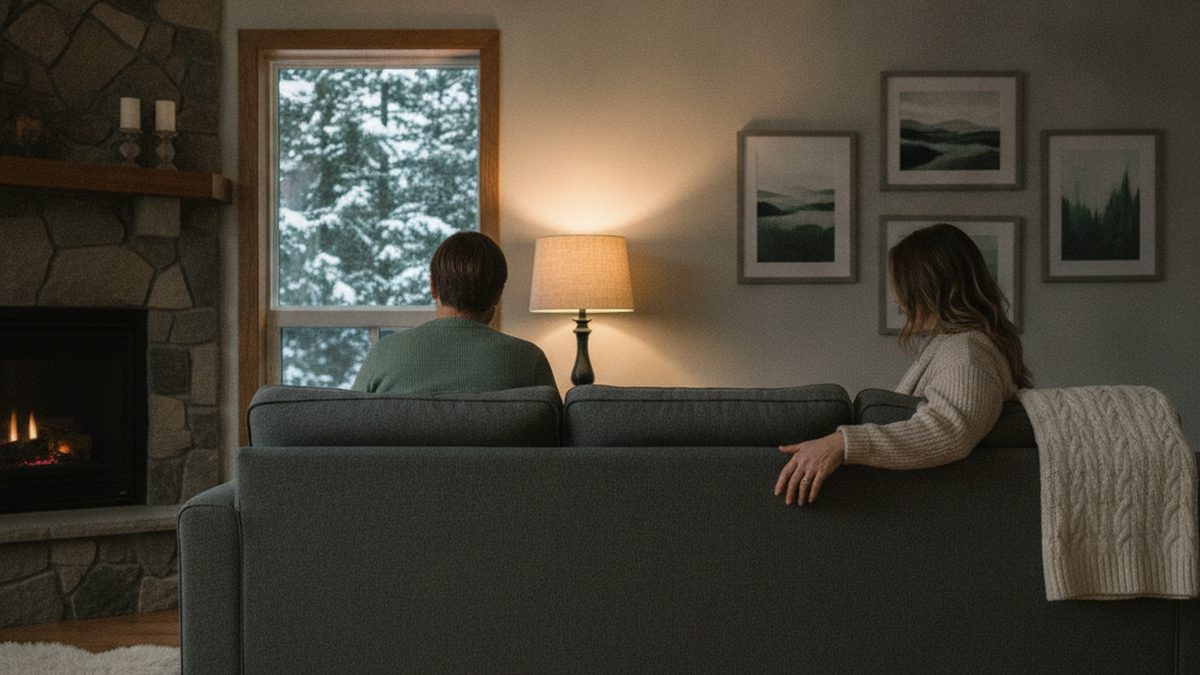
Couples commonly describe some of the following before they reach out:
- The same argument keeps returning, with the same words and the same ending
- One or both of you avoid certain topics because raising them is not worth the fallout
- You feel more like co-managers of a household than partners
- Criticism, sarcasm or eye-rolling have become ordinary
- Trust has been damaged by an affair, a secret or a broken promise, and every attempt to talk about it goes badly
- A major change, such as a new baby, a move, a job loss, an illness or a child leaving home, has shifted the relationship and neither of you has found your footing again
- You have stopped expecting to feel close
None of these on its own means a relationship is failing. Several at once, lasting months rather than weeks, is a reasonable signal that the pattern is unlikely to change without help. If one partner consistently dismisses the other's feelings and never takes responsibility, narcissism in relationships looks at that particular pattern more closely.
The Worry About Being Too Late
A common reason couples hesitate is the fear that they have already waited too long. That fear is often backed by a figure that circulates widely online: that the average couple waits six years before seeking help.
That number is less solid than it sounds. A 2021 research note in the Journal of Marital and Family Therapy, by William Doherty and colleagues, called it "a widely cited but poorly supported idea in the couples therapy field." In what the authors describe as the first large-sample study of the question, they "found an average interval of 2.
68 years from onset of problems and entering couples therapy, with the great majority of couples entering therapy within two years."
The study was carried out in the United States, but the worry it addresses is universal. The authors conclude that therapists have little reason to be pessimistic that most couples have waited so long their problems cannot be worked on. That does not promise any particular outcome for any particular relationship.
It does mean the delay you are worried about is probably shorter than the one you have heard about, and that starting now is not a formality.
What If Only One of You Is Willing?

It is very common for one partner to be ready before the other. That is not a reason for both of you to wait.
Some people start with individual counselling focused on the relationship: understanding their own part in the pattern, what they need, and how to raise it differently. The same study found similar timing for people who sought individual therapy for relationship problems, which suggests this is an ordinary route rather than a second-best one.
Sometimes the other partner joins later. Sometimes they do not, and the individual work is still worthwhile.
It is also fine to begin couples sessions with mixed feelings. Very few people arrive fully certain. What helps is a willingness to attend and to be honest about the ambivalence, including uncertainty about whether the relationship will continue.
When Couples Counselling Is Not the Right First Step
Couples counselling depends on both people being able to speak freely without fear of what happens at home afterwards. If one partner is afraid of the other, or is being threatened, controlled or hurt, joint sessions can put that person at greater risk. In that situation individual support comes first, and safety matters more than communication skills.
If you are in immediate danger, call 9-1-1. If you are unsure whether what is happening in your relationship is abuse, that uncertainty is itself something worth bringing to an individual session.
Couples Counselling in Ottawa, in Either Language

For many couples in Ottawa, language is part of the relationship itself. One partner may have grown up in French and the other in English, or both may argue in one language and make up in the other. In a session, being able to say something in the language it actually lives in can change how clearly it lands.
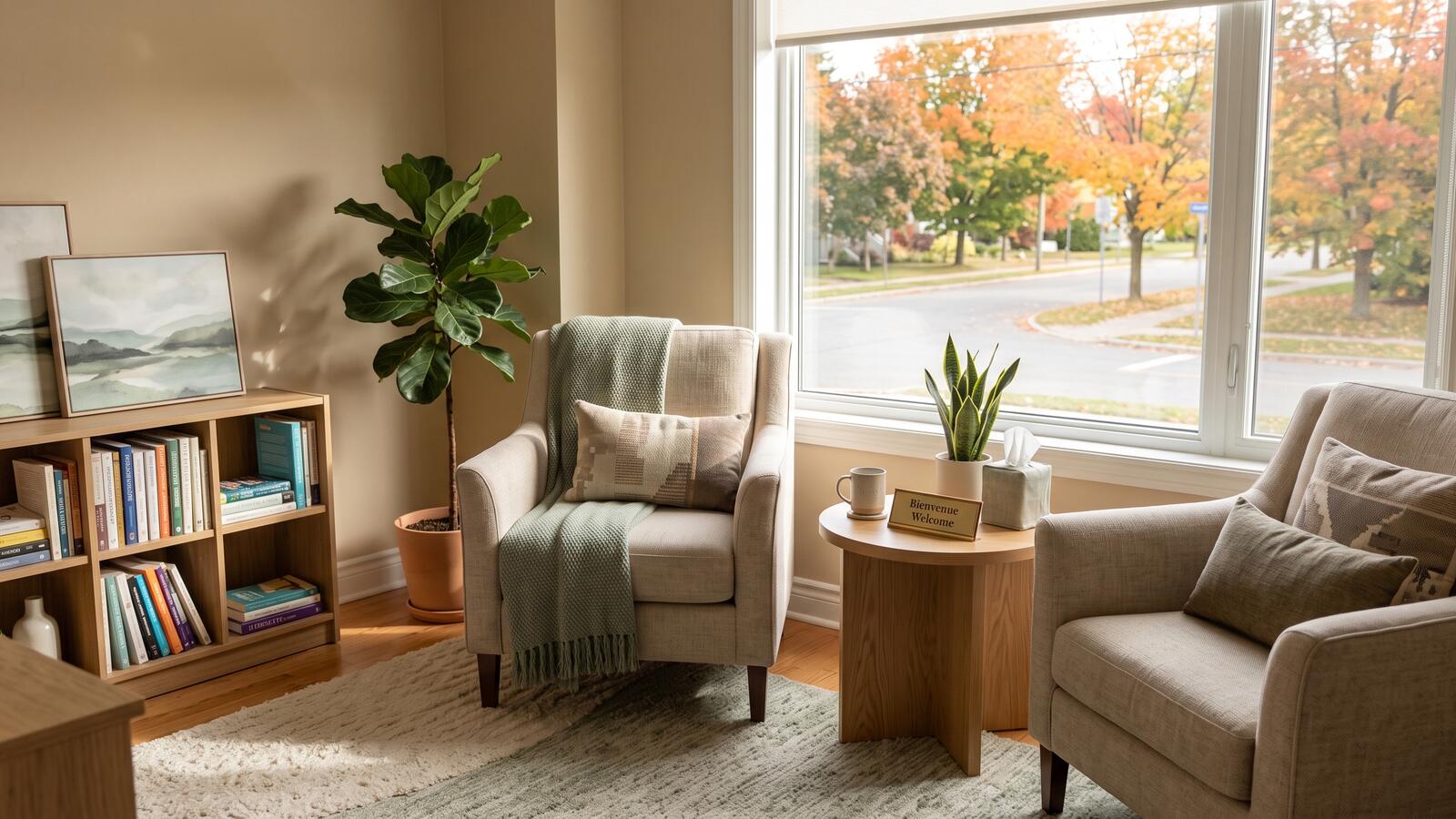
Relationship counselling with Karine is available in English and French, for couples, married partners and families. Sessions are held in person in Ottawa, with virtual sessions where clinically appropriate.
That can help when work schedules, childcare or a winter commute make it hard for two people to be in the same place at the same time. The fees page sets out the shared rate for couples sessions.
When to Reach Out
If you recognise your relationship in several of the signs above, or you have been privately wondering about counselling for a while, that is enough reason to start a conversation. You do not need to agree on everything first, including where the relationship is heading.
Calling (613) 859-8740 or using the contact page is enough to ask about couples counselling in Ottawa. Clients come from across the city, including Orleans and Barrhaven.
If relationship distress has brought you to thinking about suicide or self-harm, please do not wait for an appointment. Call or text 9-8-8 for suicide crisis support in Canada, at any hour, or call 9-1-1 in an emergency.
Need Professional Support?
Counselling with Karine offers professional clinical psychotherapy in Ottawa and secure online sessions across Ontario.