Seasonal Depression in Ottawa: Winter Blues or SAD?
Seasonal depression in Ottawa is more than disliking winter. How to tell the winter blues from SAD, and when shorter days deserve real support.

Seasonal depression is a form of depression that returns at roughly the same time each year, most often beginning in the fall as the days shorten and easing in the spring. It is different from the winter blues: the blues make winter harder, while seasonal depression makes ordinary life hard to carry out.
In Ottawa, where the dark arrives early for months at a time, that difference is worth understanding in September rather than discovering in February.
A note before you read: this is a reflection drawn from clinical practice. It is not a diagnostic tool and is not intended to diagnose anyone.
Winter Blues or Seasonal Depression?
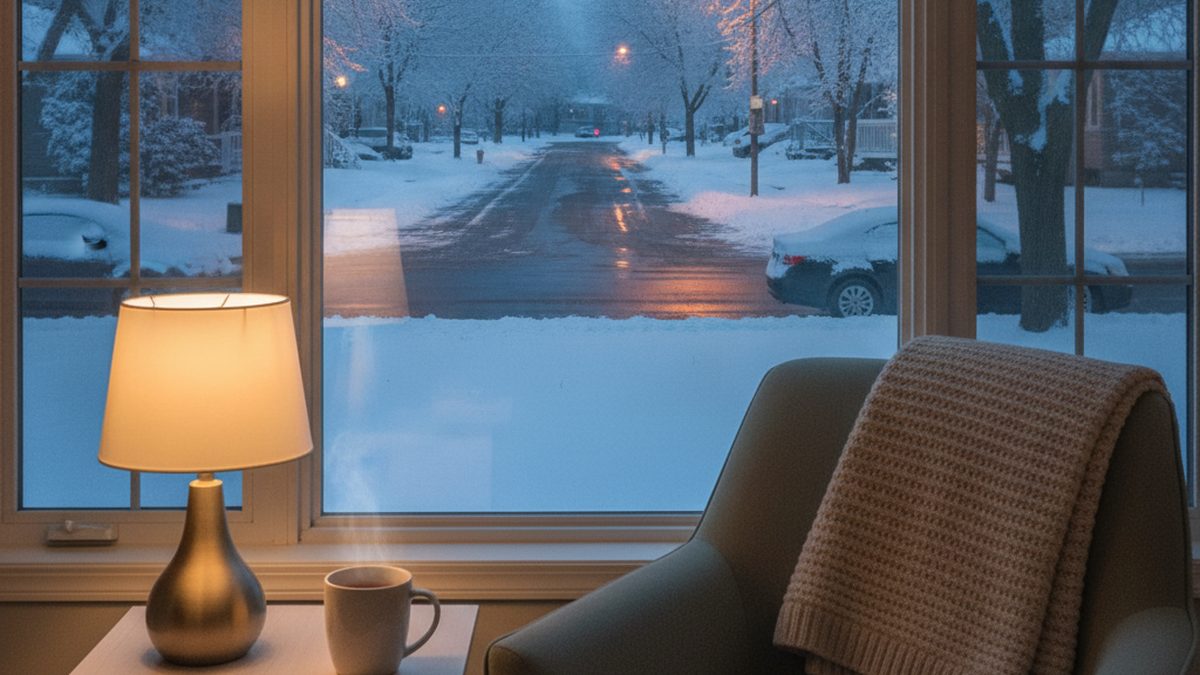
Most people in this city know the feeling. By late October the evenings close in, and once the clocks go back in November, many people leave for work and come home in the dark. Energy drops. Motivation thins out. The couch becomes more appealing than almost anything else.
That is the winter blues, and it is common. It is unpleasant, but it sits alongside ordinary life. You still see friends, still get the work done, still enjoy things, only with less enthusiasm.
Seasonal depression is different in weight, not just degree. The Canadian Mental Health Association's BC Division puts the scale plainly: "About 2 to 3% of Canadians will experience SAD in their lifetime. Another 15% will experience a milder form of SAD that leaves them only slightly depressed, but still able to live their life without major disruptions."
That second group is worth noticing. A great many people sit somewhere between disliking winter and a clinical depression, and the middle of that range deserves to be taken seriously too.
What Seasonal Depression Can Look Like
The signs tend to be the signs of depression generally, with a pattern attached. People commonly describe:
- Sleeping far more than usual and still waking exhausted
- Craving carbohydrates, or noticing changes in appetite
- Losing interest in things that normally matter, including people
- Withdrawing: cancelling plans, avoiding calls, wanting to hibernate
- Finding it hard to concentrate, or feeling irritable and flat
What makes it seasonal is the pattern. It arrives in roughly the same months each year and eases as the light returns. Many people only recognise it in hindsight, looking back over several winters and realising that each one went the same way.
Why It Helps to Name It Early
Seasonal depression has one unusual feature compared with other forms of depression: it is somewhat predictable. If the last few winters followed the same shape, this one may too, and early fall is a far better time to plan for that than the middle of January.
Naming it early changes the conversation. Rather than waiting until getting out of bed feels impossible, you can notice the first signs as they appear and have support in place before the heaviest months arrive.
That does not mean every tired October evening is a warning sign. It means that if you recognise yourself in a yearly pattern, it is reasonable to act on it.
Winter in Ottawa, in Practice
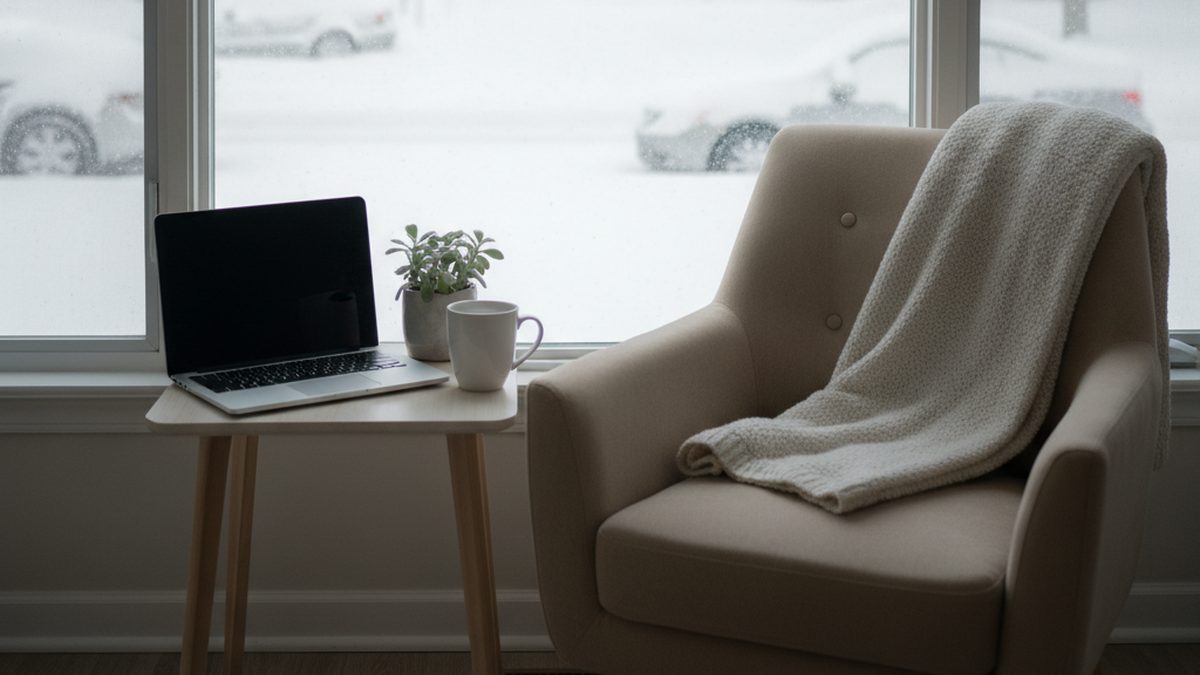
A few local realities shape how this plays out here. Ottawa winters are long, and for many people the hardest part is not the snow itself but the combination of early darkness, cold that discourages going outside, and a commute that begins and ends without daylight.
Getting to appointments also becomes harder precisely when it matters most. A freezing-rain morning on the Queensway, or a storm that buries the side streets in Orleans or Barrhaven, is exactly the kind of day someone struggling with their mood cancels.
That is one practical reason virtual sessions are offered alongside in-person appointments, where clinically appropriate. Continuity through the season often matters more than the setting.
Language matters here as well. For many people on both sides of the river, the feelings that surface in a dark February are easiest to name in French, even when work and daily life happen in English. Sessions are available in either language.
What Helps, and Who Does What

It is worth being clear about roles, because seasonal depression sits where several kinds of care meet.
A diagnosis of seasonal affective disorder comes from a physician or a psychologist. In Ontario, communicating a diagnosis is a controlled act that Registered Psychotherapists do not perform. The CMHA's guidance is to talk to your doctor first, partly so they can rule out other causes such as thyroid problems.
Light therapy is widely used for winter-pattern depression, but it is a medical treatment, and the CMHA notes that it "should not be done without first consulting your doctor because there are side-effects to this treatment." Decisions about medication likewise belong with your doctor.
Counselling has a different role. The CMHA identifies cognitive-behavioural therapy as effective for depression.
In practice, depression counselling for a seasonal pattern often focuses on what winter quietly erodes: routine, contact with other people, activities that still bring some satisfaction, and the harsh inner commentary that tends to grow louder in the dark months.
Some of that work draws on cognitive-behavioural therapy. Some of it is simply having a steady weekly place to notice what is happening before it gathers speed.
None of this comes with a guarantee, and anyone offering one deserves caution. What counselling offers is structure and company through a season that tends to take both away.
When to Reach Out
A useful question for this time of year: looking back over the last few winters, did they take more from you than winter should? If the answer is yes, or if the heaviness is already starting, that is enough reason to have a conversation.
Depression counselling in Ottawa is available in English and French. Sessions are held in person in Ottawa, within reach of clients in Orleans and Gatineau, and online where clinically appropriate. Calling (613) 859-8740 or using the contact page is enough to begin.
If your mood has dropped to the point of thinking about suicide or self-harm, please do not wait for an appointment. Call or text 9-8-8 for suicide crisis support in Canada, at any hour, or call 9-1-1 in an emergency.
Need Professional Support?
Counselling with Karine offers professional clinical psychotherapy in Ottawa and secure online sessions across Ontario.