
Catholic Therapist or Pastoral Counselling: Which Do You Need?
A pastoral counsellor and a Catholic therapist do different jobs. How to tell which fits what you are carrying, and when to add a therapist.

A pastoral counsellor offers spiritual guidance within your faith community, while a Catholic therapist offers regulated psychotherapy that keeps your faith in the room. Which one you need depends on whether the struggle is mainly spiritual, or whether it has started to affect your sleep, mood, relationships or ability to get through the day.
Many Catholics in Ottawa go to their parish first, and that is often a good instinct. This post explains what each kind of support is for, where the line falls under Ontario's rules, and how to tell when it is time to add a therapist.
What Pastoral Counselling and Spiritual Direction Offer
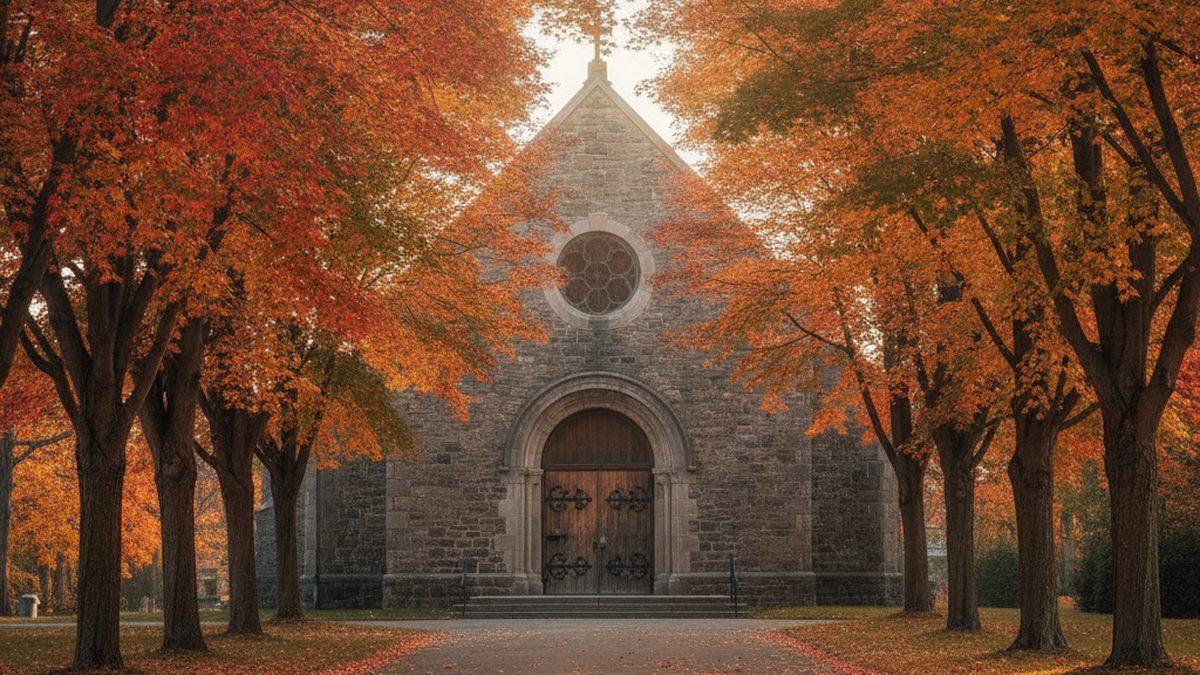
Pastoral counselling is support offered within a faith community, usually by a priest, deacon, chaplain or trained parish minister. Spiritual direction is related but narrower: regular conversations about your prayer life and your relationship with God.
Both can be deeply helpful, and they are often the right place for:
- questions of faith, doubt or vocation
- discernment about a decision in the light of what you believe
- a troubled conscience, and the sacrament of reconciliation
- grief that is painful but still lets you sleep, work and stay connected
They are not designed to treat a mental health condition, and most pastors would be the first to say so.
What a Registered Psychotherapist Adds

In Ontario, psychotherapy is a regulated health service.
The College of Registered Psychotherapists of Ontario (CRPO) defines the controlled act of psychotherapy as "Treating, by means of psychotherapy technique, delivered through a therapeutic relationship, an individual’s serious disorder of thought, cognition, mood, emotional regulation, perception or memory that may seriously impair the individual’s judgement, insight, behaviour, communication or social functioning."
The same CRPO page lists "Spiritual or faith guidance/counseling" among the activities that fall outside that controlled act, and notes an exemption for "treating someone by spiritual means according to the tenets of the religion of the person providing the treatment."
In plain terms, spiritual guidance and psychotherapy are different jobs under Ontario's rules. CRPO also lists Spiritually Integrated Psychotherapy among the recognised psychotherapy modalities, and that is where Catholic psychotherapy sits.
A Registered Psychotherapist is accountable to a regulator, keeps confidential health records, and is trained to assess and work with trauma, anxiety, depression and grief. Many extended health plans and employee assistance programs cover psychotherapy by a Registered Psychotherapist, so it is worth checking your own plan.
Signs You Need a Therapist, Not Only Your Parish
Consider adding a therapist when:
- your sleep, appetite or concentration have been off for weeks
- you feel anxious, low or numb most days, and prayer has not shifted it
- guilt or shame keeps returning even after confession
- memories of a past event intrude, or you go out of your way to avoid reminders
- drinking, conflict at home or pulling away from people has crept up
- someone close to you has said they are worried
None of this means your faith has failed. It means the problem has a psychological side that deserves skilled care as well. Many people keep both: a priest or spiritual director for the spiritual life, and a therapist for the clinical work.
How Faith Fits Into Catholic Psychotherapy

A Catholic therapist does not replace your pastor, and a good one will not turn sessions into spiritual direction. The work is still psychotherapy: understanding what is happening, practical skills for anxiety or sleep, careful processing of painful events, and changing the patterns that keep you stuck.
What changes is that you do not have to leave your faith at the door. Conscience, prayer, forgiveness, family expectations and Church teaching can all be named in session if you want them there. If you would rather keep faith in the background, that is your choice too.
If You Need Help Right Now
If you are having thoughts of suicide or feel unsafe, call or text 9-8-8, the Suicide Crisis Helpline, at any hour. In an emergency, call 9-1-1.
Catholic Psychotherapy in Ottawa
I am a Registered Psychotherapist with the CRPO and hold a PhD in Theology. I offer Catholic psychotherapy in Ottawa in English or French, in person at 854 Wingate Dr or virtually where clinically appropriate, for clients across Ottawa, Orleans and Barrhaven.
If grief or trauma is at the centre of what you are carrying, grief counselling or trauma counselling may be the better place to start.
You can also read how faith can be included in Catholic psychotherapy or see fees and insurance.
Call (613) 859-8740 or use the contact page to ask about a first session.
Need Professional Support?
Counselling with Karine offers professional clinical psychotherapy in Ottawa and secure online sessions across Ontario.