Anxiety, Depression & Addiction
What the first sessions with an addiction therapist in Ottawa involve, what counselling cannot replace, help for family members, fees and insurance.
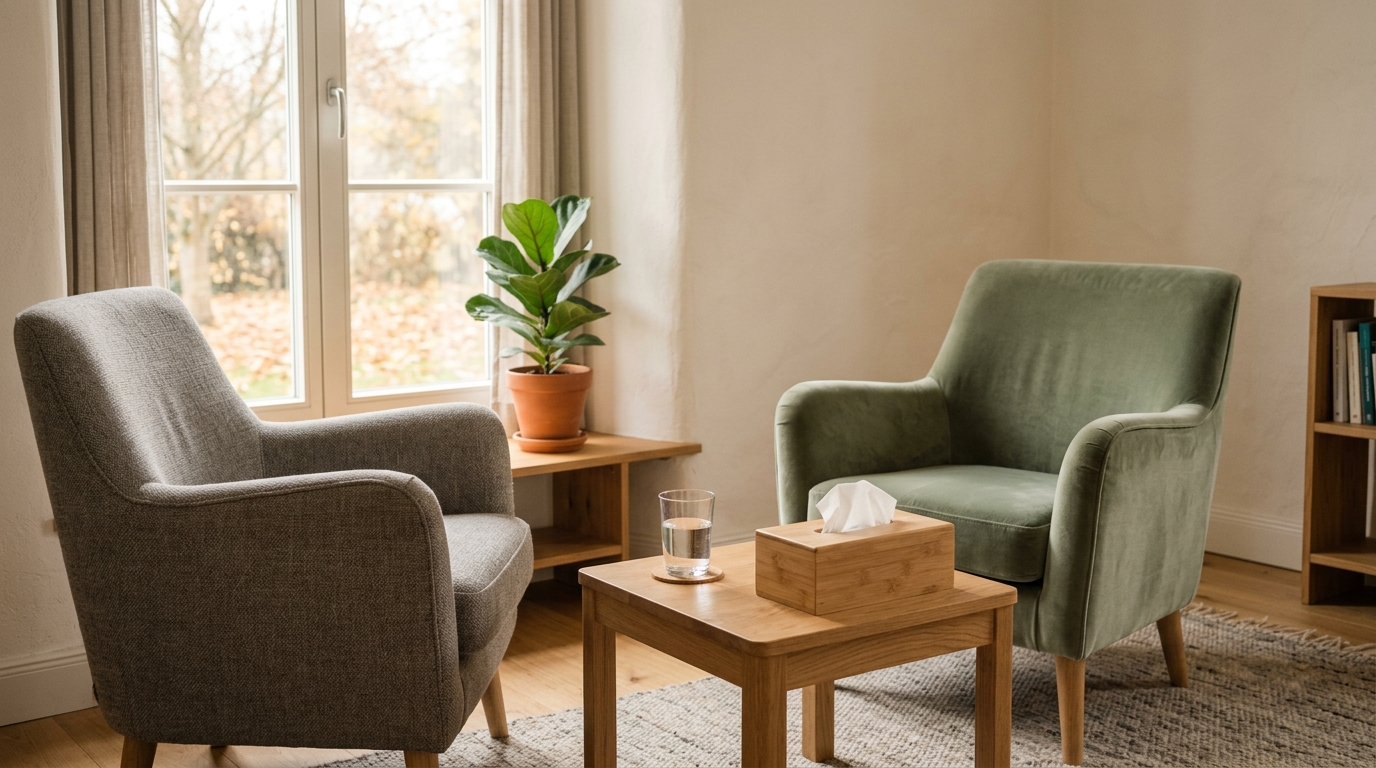
The first sessions with an addiction therapist are an honest, private conversation about what the drinking, substance or habit is doing in your life, what it helps you get through, and what you want to change. You do not need to have stopped, to have hit bottom, or to be sure you want to quit before you book with an addiction therapist in Ottawa.
Most people who call me about addiction have been carrying it privately for a long time. They are still going to work, still showing up for family, and quietly trying to cut back on their own. This post explains what the first sessions with me actually involve, what the ongoing work can look like, what counselling cannot replace, and what it costs, so the first call feels less like a leap.
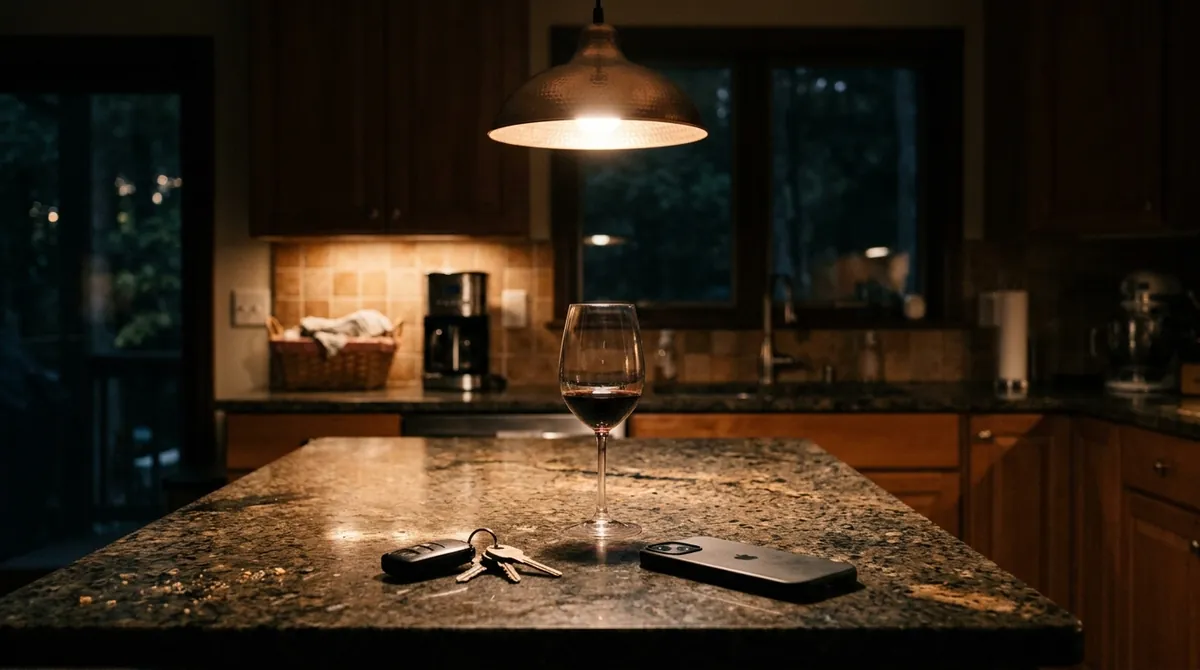
There is no test you have to pass first. These are the patterns people describe to me most often when they decide it is time:
If you are not sure where you stand with alcohol in particular, my earlier post Has Your Drinking Crept Up? walks through the questions that actually tell you something. If two or three of the points above sound familiar, that is enough reason to talk to someone.
The first session is a conversation, not an interrogation, and it is not a lecture. I want to understand the role the substance or behaviour is playing for you. We usually talk about:
Ambivalence is welcome in the room. Many people come in half wanting to change and half wanting to be left alone. You can say that out loud. Denial and fear of change are part of what we talk about, not a reason to send you away.
By the end of the first session or two, we should have a shared, plain-language picture of what is going on and a first idea of where to start. You do not have to commit to a goal of complete abstinence in the first hour. We work out together what you are ready to try.
Every person's plan is different. The Centre for Addiction and Mental Health (CAMH) says it simply: "There is no 'one-size-fits-all' approach to addiction treatment." Depending on what fits, the work with me may include:
Progress is not measured only by counting days. We look at honesty, fewer high-risk situations, stronger supports, and how quickly you get back on track after a hard week. I will not promise a timeline or a number of sessions. We review how things are going as we go, and you set the pace.
On the addiction counselling page you can also download a free workbook, The Basis of Addictions, if you would like to start working through some exercises before your first appointment.
Counselling is one part of addiction treatment. CAMH lists the main options: "Treatment options for addiction include self-help, counselling, medications and withdrawal management." I provide the counselling part. I do not provide medical detox, medication, inpatient treatment or crisis stabilization.
If you drink heavily every day or use substances that can cause dangerous withdrawal, please talk to your family doctor or a walk-in clinic before you stop suddenly. Stopping some substances without medical support can be unsafe.
To find withdrawal management, day programs or residential treatment anywhere in Ontario, ConnexOntario is a free service you can call at 1-866-531-2600. In their words: "We run 24/7 365 days of the year." Many people do a program and counselling side by side, or start counselling once they are through withdrawal.
You do not have to be the one using to come to addiction counselling. Partners, parents and adult children of someone with an addiction often arrive exhausted, angry, frightened and unsure whether they are helping or making it worse.
In sessions for family members, we look at what you can and cannot control, how to talk about the problem without a fight every time, how to protect yourself and any children in the home, and how to stay connected without covering for the addiction. If the relationship itself has been badly strained, relationship counselling can be part of the same work later on.
My fee is $250 an hour, for individual and couples sessions alike. Payment is due at the end of each session, and cancellations need 24 hours' notice. I keep a limited number of sliding-scale spots for financial hardship, so call to ask what is available. Details are on my fees page.
Psychotherapy with a Registered Psychotherapist in private practice is not covered by OHIP. Many extended health plans and employee assistance programs in Ontario do cover it. I do not bill insurers directly; you receive an official receipt with my registration details to submit to your plan.
Sessions are in English or French, in person at 854 Wingate Dr in Ottawa or by secure video anywhere in Ontario where clinically appropriate. For some people, video is what makes the first appointment possible, especially when shame makes a waiting room feel like too much. The teletherapy page explains how video sessions work.
Whoever you call, these questions will tell you a lot:
Pay attention to how the first phone call feels. You should come away feeling respected, not judged.
If you are having thoughts of suicide or you are not safe, call or text 9-8-8, the Suicide Crisis Helpline, at any hour. If someone may have overdosed, or in any emergency, call 9-1-1 or go to your nearest emergency department. Counselling is not a substitute for emergency care.
I am Karine Langley, a Registered Psychotherapist with more than 30 years in practice. I offer addiction counselling in Ottawa in English or French, in person on Wingate Dr or by video across Ontario.
Call (613) 859-8740 or use the contact page to ask about a first session.
Counselling with Karine offers professional clinical psychotherapy in Ottawa and secure online sessions across Ontario.